
Bonus scommesse
| Posizione | Siti di scommesse | Bonus | Vai sul sito | Recensione |
|---|---|---|---|---|
|
1
|

|
Bonus sulle prime scommesse fino a 100€ | Vai sul sito |
Recensione
Vai sul sito
Il bookmaker con migliori quote in Italia! |
|
2
|

|
100€ rimborsati sulla prima scommessa | Vai sul sito | Recensione |
|
3
|

|
- | Vai sul sito | Recensione |
Mastering Poker Tilt Strategies for Better Gameplay
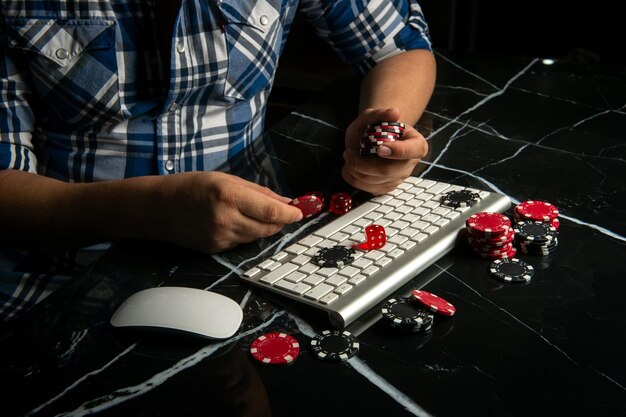
Analyze your opponents’ poker faces. A keen observation reveals critical patterns. Shift your focus to their betting habits and behavioral cues. This simple adjustment enhances your ability to predict their hands and decision-making processes.
Mastering the mental aspects of poker is crucial for enhancing your overall gameplay. One effective method is to analyze your emotional responses during each session. By identifying the moments when frustration or anxiety peaks, you can develop coping strategies to maintain composure. Creating a pre-game routine that includes visualization techniques and mindfulness exercises can significantly improve your focus and readiness at the table. Additionally, tracking your sessions in a gameplay journal allows for reflection, providing insights to refine your strategies. For more tips on managing emotions and enhancing your poker skills, visit yoju-casino.com for a comprehensive guide.
Incorporate controlled breathing techniques during high-pressure situations. Keeping a level head prevents emotional decisions that often lead to costly mistakes. Practice this before your next game for a calmer approach to critical moments.
Adopt a disciplined bankroll management strategy. Set specific limits for wins and losses. Adhering to these limits protects your investments and fosters a more strategic mindset, reducing the temptation to chase losses.
Experiment with varying your betting sizes. By doing so, you create ambiguity around your actual hand strength. This tactic makes it more challenging for opponents to read your moves, fostering uncertainty and enhancing your advantage at the table.
Utilize poker software tools for analyzing your hands post-game. These tools provide invaluable insights into your gameplay, highlighting areas for improvement and success patterns. Constant refinement based on this data sharpens your skills significantly.
Identifying Personal Tilt Triggers in Poker
Recognize your emotional responses. Track moments when frustration peaks during a session. Make notes of specific events that lead to tilting, such as bad beats, aggressive opponents, or personal distractions. This awareness allows you to categorize triggers effectively.
- Bad Beats: Pay attention to how you react after losing a hand due to unexpected circumstances. Note your emotional state and identify patterns.
- Opponent Behavior: Observe if certain players’ strategies irritate you. Does aggressive play or slow rolling shift your mood? Document these interactions.
- Session Length: Reflect on how fatigue impacts your gameplay. Longer sessions may lead to diminishing focus, increasing the likelihood of tilting.
- External Factors: Assess how outside stress, such as work or personal life, can affect your mental state while playing. Do these distractions make you more susceptible to tilt?
Analyze your notes regularly. Find recurring themes and categorize them. Create a personal tilt profile that highlights your triggers. This helps in preparing strategies to counteract these influences during gameplay.
Develop coping strategies. Once you identify triggers, establish clear responses. For instance, if you sense frustration during a bad beat, take a break or use breathing exercises to regain composure.
- Take a five-minute pause after a bad hand.
- Engage in deep breathing exercises to calm your nerves.
- If certain players trigger your tilt, adjust your focus or avoid direct confrontations in the game.
Regularly practice self-awareness. Before each session, mentally review your triggers and coping strategies. Remind yourself of the importance of maintaining your focus and composure. This preparation cultivates a more controlled and enjoyable poker experience.
Techniques to Manage Emotions During Gameplay
Practice deep breathing techniques. Inhale deeply for a count of four, hold the breath for four, then exhale for four. This calming exercise helps reduce anxiety during intense moments.
Establish a pre-game routine. This can include light exercise, listening to music, or meditating. Consistency in preparation sets a positive mindset and keeps emotions in check.
Use a physical object as a calming focus. A simple item like a stress ball or a rubber band can serve as a reminder to stay grounded. When emotions rise, squeeze or fidget with the item to redirect your focus.
Set realistic expectations for each session. Understand that losses are part of the game. Accepting the unpredictability of outcomes allows you to remain level-headed and reduces frustration.
Take regular breaks during gameplay. Step away from the table to refresh your mind. Short pauses help regain focus and clarity, which in turn helps manage emotional responses.
Reflect on past experiences. Analyze previous sessions where emotions influenced decisions. Learning from these moments enables you to identify triggers and prepare better for future encounters.
Technique Description Deep Breathing Use a rhythmic breathing pattern to control anxiety. Pre-game Routine Create a consistent ritual to enhance your mindset. Calming Object Use a physical item to refocus emotions. Realistic Expectations Acknowledge that losses happen to everyone. Regular Breaks Pause gameplay periodically to regain focus. Reflection Learn from past emotional triggers to improve control. Engage in positive self-talk. Replace negative thoughts with affirmations that boost confidence. This shift in mindset enhances resilience during challenging moments.
Connect with other players for support. Share experiences and emotional challenges, creating a community that fosters understanding and shared strategies.
Consider keeping a gameplay journal. Documenting thoughts and feelings during sessions provides insight over time, helping identify patterns in emotional responses.
Setting Up a Pre-Game Routine to Prevent Tilt
Establish a consistent pre-game ritual that includes physical activity. Engage in a 15-minute workout to boost your endorphins, enhancing positivity and focus.
Dedicate time to mental preparation. Spend 10 minutes visualizing your gameplay. Picture yourself executing strategies flawlessly, maintaining composure regardless of outcomes.
Limit distractions by creating a dedicated space for play. Ensure your environment is comfortable and free of noise. This will help you concentrate during gameplay.
Incorporate mindfulness techniques. Practice deep breathing or meditation for 5 minutes before starting. This reduces anxiety and improves mental clarity.
Review your goals for the session. Write down specific objectives you want to achieve, such as focusing on a particular strategy or maintaining a positive mindset. This keeps you accountable and motivated.
Stay hydrated and snack wisely. Choose light, healthy options like fruits or nuts to maintain energy without causing sluggishness. Drink water to stay focused and alert.
Finally, set a limit on your gaming session duration. Known start and end times help manage fatigue and prevent burnout, keeping your mindset sharp.
Implement this routine consistently to create a stable foundation, reducing the chances of tilt and enhancing your overall performance.
Utilizing Mindfulness and Relaxation Practices for Focus
Practice deep breathing techniques to enhance concentration and lower stress levels. Inhale deeply through your nose for a count of four, hold for four, and exhale through your mouth for a count of six. Repeat this cycle for a few minutes to clear your mind.
Incorporate short mindfulness breaks during your gameplay sessions. Take two to five minutes to close your eyes, observe your thoughts, and return your focus to your breath. This calms the mind and prepares you for the next strategic move.
Use visualization techniques to enhance your gameplay. Picture yourself in a focused state, executing successful strategies, and making confident decisions. This method not only boosts your self-assurance but also sharpens mental clarity.
Engage in progressive muscle relaxation to relieve tension. Tense each muscle group for five seconds, then relax them fully. Begin with your toes and work your way up to your head. This practice promotes relaxation and enhances your awareness of bodily sensations while playing.
Set a clear intention before each session. Declare your goals, whether it’s staying calm during high-pressure moments or making thoughtful decisions. Having a clear focus directs your energy and enhances performance.
Incorporate meditation into your routine, even if just for a few minutes daily. Choose a quiet space, focus on your breath, and gently guide your thoughts back whenever they wander. This strengthens your ability to maintain concentration during gameplay.
Analyzing Hand Histories to Learn From Tilt Episodes
Review hand histories after every session to identify specific moments when tilt affected your gameplay. Pay attention to decisions made during those times, such as calling large bets with marginal hands or chasing losses. By isolating these instances, you can understand your triggers and patterns.
Create a checklist for each hand where you felt tilted. Ask yourself questions: What was the situation? How did I react emotionally? What misplays resulted from this state? Document your thoughts to reflect on them later.
Integrate technology to assist your analysis. Use software that tracks your statistics and highlights sessions with significant deviations in performance. This visualization will guide you to better understand your emotional responses during crucial moments.
Discuss specific hands with peers or on forums focusing on tilt episodes. Explaining your rationale to others helps clarify your thought process and exposes blind spots in your decision-making.
Set aside time weekly to revisit your notes and hand histories. Create actionable strategies to counter your common tilt reactions, such as taking a break after a bad beat or developing a mantra to stay composed during stressful hands.
Practice mindfulness techniques, like deep breathing, whenever you sense tilt creeping in. This habit can help stabilize your emotions and improve focus, ultimately enhancing your decision-making during critical situations.
Use your analyses to develop a more robust emotional game plan. Identify specific triggers and commit to strategies that promote a calm and rational approach in future situations. Remember, mastering your emotions contributes heavily to your overall performance at the table.
Creating a Post-Tilt Recovery Plan for Future Tournaments
Establish clear breaks between sessions. Schedule time to step away from the table, which will help to reset your mental state. Utilize this time for activities you enjoy, such as walking or listening to music, to shift your focus.
Develop a set of relaxation techniques that work for you, such as deep breathing or mindfulness exercises. Practice these techniques regularly to enhance your ability to implement them during stressful moments in tournaments.
Keep a journal to track your emotions and reactions after each game. Reflect on your experiences, noting triggers and responses. This log will help identify patterns that lead to tilt, aiding in crafting tailored strategies to counteract them.
Review your game play focused exclusively on decision-making rather than outcomes. An objective analysis allows you to distinguish skill-related mistakes from bad luck, fostering a healthier perspective on your performance.
Establish a support system with fellow players who understand the challenges of tournament play. Sharing experiences and strategies can provide valuable insights and bolster your resilience.
Set specific, achievable goals for each tournament as a means to maintain focus. Break down these goals into manageable tasks, which helps create a sense of accomplishment and elevates motivation.
Engage in physical activity regularly. Exercise not only reduces stress but also boosts your mood and sharpens focus. Incorporate routine workouts to enhance your overall well-being.
Before each tournament, take time to prepare mentally. Visualize your ideal gameplay and responses to potential challenges. This mental rehearsal can significantly enhance your confidence and performance under pressure.